Picking a commercial property in New Jersey is rarely as simple as touring a few buildings and picking the nicest one. The decision shapes daily operations for years, from staff commutes to monthly overhead. Owners who move too fast often find problems months in, once it’s too late to walk away easily. A slower approach, one that looks past curb appeal, tends to pay off.
Start With What the Business Actually Needs
Before scheduling a single tour, write down what the space has to do. Square footage matters, but so does ceiling height, loading access, and parking. A distribution operation near Exit 8A needs truck clearance and dock doors. A small accounting firm in Morristown wants a lobby that looks put-together for clients instead.
A few things worth nailing down first:
- Employee count today, and in three to five years
- Whether inventory or equipment eats up real square footage
- Walk-in customers, or mostly back-office work
- How delivery vehicles will get in and out
Skipping this step means touring properties that never had a real chance.
Location Still Does Most of the Heavy Lifting
New Jersey commercial real estate has always leaned on geography. A warehouse near the Turnpike or Route 78 corridor moves goods faster than one off a rural two-lane road. Towns like Edison, Carteret, and Piscataway see steady demand because trucks can reach three highways within minutes.
Can Customers Actually See the Building?
Retail tenants live or die on visibility. A storefront hidden behind a strip mall’s back lot rarely gets the same foot traffic as one facing the main road. Drive by at 8 a.m. and again at 5 p.m., since a quiet noon can turn into rush-hour gridlock.
Zoning Can Quietly Kill a Good Deal
Zoning ordinances differ from one township to the next, sometimes drastically. A building might check every box on paper, then restrict operating hours, signage, or the type of business allowed. Calling the local zoning office before making an offer isn’t glamorous, but it saves an expensive surprise later.
Look Hard at What’s Behind the Walls
Older buildings scattered across NJ commercial properties tend to hide their age well. A roof might look fine from the parking lot and still need replacing within two years. HVAC systems, plumbing, and wiring all wear out on different timelines, and none of it shows up in a listing photo.
Ask sellers directly for maintenance logs and repair invoices. For industrial sites, request an environmental report too, since a manufacturing or fuel-storage history can hide contamination that only surfaces on closer inspection.
The Sticker Price Isn’t the Real Price
Listed price is just the opening line of a longer financial story. Property tax rates swing wildly across New Jersey counties, sometimes doubling for buildings of similar size just towns apart. Add insurance, utilities, and a maintenance reserve, and the real monthly cost often looks nothing like the listing sheet. Comparing total occupancy cost across a few finalists reveals more than comparing sale prices alone.
Local Knowledge Fills In the Gaps Listings Leave Out
Public listings only show so much. Commercial property selection goes smoother with someone who already knows which blocks are gaining momentum and which zoning boards are about to change the rules. That texture rarely makes it into an online listing.
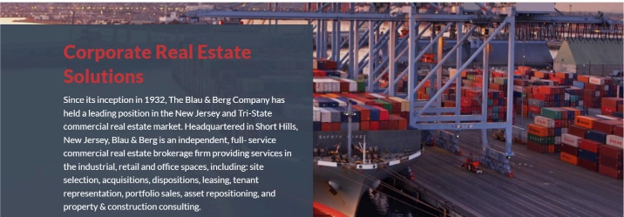
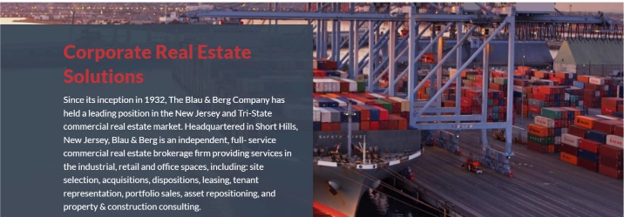
Brokerages that have worked New Jersey’s market for decades, firms like The Blau & Berg Company, tend to catch things a first-time buyer wouldn’t think to ask about. It’s not magic, just familiarity built up over time.
Build In Room to Change Course Later
Plans shift. A lease signed today might not fit what the business becomes three years out. A property that allows for expansion or a change in use gives owners options instead of forcing a costly move later. That flexibility, more than raw square footage, protects the investment.
Where This Leaves Buyers
Choosing the right commercial property in New Jersey means juggling more variables than most people expect walking in. Needs, location, condition, cost, all of it interacts in ways a quick tour won’t reveal. Buyers who slow down and lean on people who know the state’s townships well tend to end up with a property that still fits years out.
Frequently Asked Questions
What matters most when choosing a commercial property in New Jersey?
Location usually tops the list, since it drives shipping costs, commutes, and how easily customers find the building. Zoning and the building’s condition can matter just as much once the deal moves forward.
How long does closing on a commercial property in NJ usually take?
It depends on financing and property type. A straightforward cash deal might close in 60 to 90 days. Add zoning approvals or an environmental review, and four to six months becomes more realistic.
Is it worth working with a local broker for NJ commercial real estate?
Local brokers tend to know things listings don’t show, like which zoning boards are active. Long-standing firms such as The Blau & Berg Company have built those relationships over decades, which can cut real time off approvals.
What costs catch buyers off guard during commercial property selection?
Property taxes and insurance often run higher than first estimates suggest, and maintenance reserves get overlooked. Environmental testing or code upgrades can add real expense, so checking repair history early tends to help.
Can a commercial property be changed or renovated after the purchase closes?
Some modification is usually possible, but zoning rules and building codes set firm limits on how far that can go. Checking with the local zoning office before signing anything avoids a redesign headache down the road.
Disclaimer: The views, suggestions, and opinions expressed here are the sole responsibility of the experts. No NY Flash News journalist was involved in the writing and production of this article.